The government is expected to award contracts for the construction of 10 new stadia across the country by the end of November, Minister for Sports and Recreation Kofi Iddie Adams has announced.
The contractors are expected to mobilise to their respective project sites before the end of December, as the government moves closer to delivering on its commitment to expand Ghana’s sporting infrastructure.
Speaking to TV3, Mr Adams disclosed that all 10 locations had been identified, with the necessary preparatory work completed ahead of the contract awards.
“Sites have been identified, and everything is done. Hopefully, by the end of this month, the contracts will be awarded and contractors will mobilise to move to site before the end of December,” he said.
The Sports Minister also revealed that the government had increased its initial proposal of six stadia to 10, exceeding the commitment outlined in its manifesto.
According to Adams, the decision to undertake all 10 projects simultaneously followed a review of the procurement process, which indicated that implementing the projects in phases could result in unnecessary delays.
He explained that awarding the contracts at the same time would improve efficiency and help the government avoid repeating lengthy administrative procedures, particularly in engaging consultants and completing procurement requirements.
The minister further disclosed that consultants had already been engaged, with designs completed and Bills of Quantities prepared for all 10 proposed facilities.
He added that the projects had successfully gone through the necessary Public Procurement Authority (PPA) processes and were now awaiting contract awards.
The proposed stadium projects will be distributed across 10 regions: Western North, Ahafo, Bono East, Savannah, North East, Upper East, Upper West, Oti, Volta and Bono.
The identified locations include Nyamibechere, between Mim and Goaso in the Ahafo Region; Oforikrom, near Techiman in the Bono East Region; Damongo in Savannah; Nalerigu in the North East Region; Bolgatanga Bukere in the Upper East Region; Wa in the Upper West Region; and Gwama in the Oti Region.
Other facilities are planned for Ho in the Volta Region and Abesim in the Bono Region.
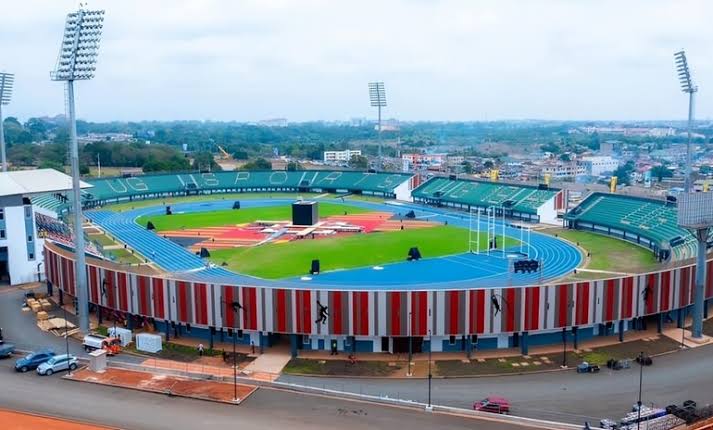
The proposed stadia will have seating capacities of 5,000, 7,000 and 10,000, depending on the requirements and location of each project.
The initiative forms part of the government’s broader commitment to decentralise sporting infrastructure, improve access to modern facilities and create opportunities for grassroots sports development.
If delivered as scheduled, the projects are expected to provide communities across the country with improved sporting facilities while supporting talent identification and development beyond the major football centres.
The commencement of construction before the end of December will represent the next major step towards fulfilling the government’s stadium development programme.