The Ghana Sports Fund is set to be officially launched on December 10, 2026, at the University of Professional Studies, Accra (UPSA), a step expected to reshape the financing of sports in Ghana.
The launch, which will be led by the Fund’s leadership, follows a series of stakeholder engagements involving sports administrators, federations, the media and corporate Ghana, aimed at building consensus on the implementation and sustainability of the initiative.
The engagements have provided a platform for stakeholders to discuss the objectives of the Fund, its operational framework and the roles of various institutions and individuals in supporting its implementation.
The initiative, which dates back approximately nine years, seeks to address the longstanding challenge of inadequate and unpredictable funding in Ghanaian sports by establishing a structured and sustainable financing mechanism.
Its establishment was formalised through the Ghana Sports Fund Act, 2025 (Act 1159), which provides the legal framework for mobilising and managing resources for sports development across the country.
The Fund is expected to support a broad range of activities, including athlete welfare, grassroots sports development, infrastructure, coaching and capacity building, as well as high-performance preparation for international competitions.
The Fund is governed by an 11-member Board of Directors chaired by Professor Koryoe Anim-Wright.
The board brings together representatives from government institutions, sports administration, the investment sector and the wider sporting community to provide strategic direction and ensure accountability in the management of the Fund.
Among its members are the Chief Director of the Ministry of Sports and Recreation, Mrs Wilhelmina Asamoah; National Sports Authority Director-General, Prof Emmanuel Osei Sarpong; investment banker Ernest Thompson; and former world boxing champion Azumah Nelson, who represents the athletes’ fraternity.
Other members include Mr Duah Alhassan Oteng, Ms Deborah Adei Djanie, Ms Belinda Plange, Hon Rachel Florence Appoh and Hon Dickson Kyere-Duah.
The board is responsible for providing strategic oversight, approving budgets and ensuring that resources are allocated in line with the Fund’s objectives.
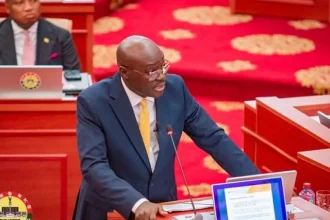
The day-to-day administration of the Fund is being led by Dr David Kofi Mawuvi Wuaku, who serves as its Administrator, with Simon Appiah, Esq, as Deputy Administrator.
Dr Wuaku, a banking and finance professional, is expected to play a central role in ensuring that resources mobilised by the Fund are managed transparently and deployed to areas that will deliver meaningful benefits to Ghanaian sports.
Speaking on the purpose of the initiative, Dr Wuaku has emphasised the wider social and economic benefits of investing in sports.
“Sports is preventive healthcare. When we invest in sports, medical bills reduce. Beyond that, it is a source of wealth creation for the nation and the continent,” he said.
He has also highlighted the need to make sports a more visible priority in national budget discussions, stressing the importance of sustainable investment in the sector.
The Administrator’s position reflects the Fund’s broader ambition to move sports financing beyond occasional government interventions and donations towards a more coordinated and dependable system.
Ghana’s sports sector has over the years faced challenges relating to inadequate funding, infrastructure deficits, limited athlete welfare support and difficulties in sustaining development programmes across various sporting disciplines.
These challenges have often affected the preparation of athletes for major international competitions, while several sporting associations have struggled to implement long-term development plans.
The Ghana Sports Fund is expected to provide an alternative framework by mobilising resources from multiple sources and ensuring that funding is directed towards identified development priorities.
Its mandate covers all 16 regions of Ghana, with particular emphasis on grassroots talent identification, improving sporting facilities, developing coaching expertise and strengthening the country’s high-performance sports system.
The Fund is also expected to create opportunities for greater private-sector participation, encouraging corporate institutions, individuals and other development partners to contribute to the growth of sports.
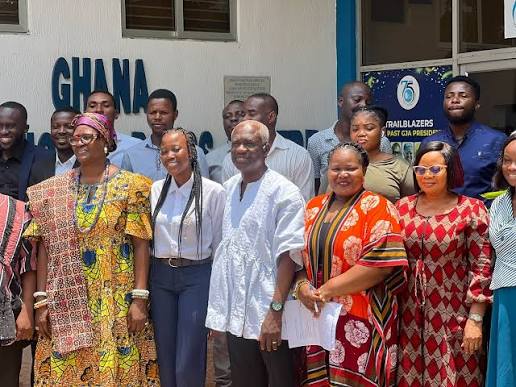
The series of consultations leading to the official launch forms part of efforts to ensure that the Fund’s implementation framework reflects the needs and expectations of the sporting community.
At a stakeholder consultation held on November 13, 2026, representatives of sports federations and other key institutions engaged the Fund’s leadership on the proposed regulations for implementing Act 1159.
Discussions covered the purpose and application of the Fund, athlete welfare, monitoring mechanisms, accountability and procedures for addressing grievances.
The engagement also provided an opportunity for sports administrators and other stakeholders to make recommendations towards developing a framework that will ensure fairness, transparency and effective delivery.
The Minister for Sports and Recreation, Kofi Iddie Adams, has consistently emphasised the need for the Fund to serve the interests of sports development through transparent and accountable management.
Board Chairperson Professor Anim-Wright has also underscored the importance of ensuring that the Fund delivers measurable improvements in sporting facilities, athlete development pathways, governance and performance outcomes.
The December 10 event at UPSA is expected to provide an opportunity for the leadership to formally present the Fund’s vision, objectives and operational framework to the public.
It will also mark an important moment in the country’s efforts to establish a more sustainable financing structure for sports, with expectations that the initiative will strengthen Ghana’s competitiveness on the continental and international stage.